53 days left
The first AI architecture film prize
Make one film. Get judged by architects and Hollywood storytellers. $4,500 in prizes.
AI and architecture
AI is reinventing how architectural design is presented.
A few years ago, a project was communicated through one hero render. Today the same design can be explored through different cameras, atmospheres, people, materials, seasons, narratives and even films, without rebuilding the whole visualization workflow each time.
That changes how architects and designers communicate. AI matters not because it makes an image quickly, but because it lets the profession test, visualize and communicate ideas at a speed that was never possible before.
CUT Prize explores that world.
About the prize
An international competition for AI architecture film.
Make one film for a real brief. Get judged by a jury with the CEO behind the Oscars screens, a director who has worked for Disney and Universal, and a dean of architecture. Win up to $2,000.
The problem
You can make anything now. Nobody can tell what is good.
AI gave everyone a camera, a crew and a studio. It also gave everyone the same problem.
Your school shows your work to your classmates. The people who hire, teach and commission never see it.
No brief. No jury. No stakes. Without them, you never learn whether it was good.
Clients and juries do not watch boards. A one minute film of your project gets watched.
You cannot cold email a studio that runs the Oscars screens. You can enter a prize they will judge.
The fix
Two tracks. One jury. One stage.
CUT Prize is built to solve exactly that. It is not a gallery. It is a competition with clear briefs, real judges and a screening at the end.
Track 1 answers one question about a real place. Track 2 turns a real project into film. Either way you are judged on substance, not on who had the best tools.
Architects, storytellers and the people who run and speak for cities. Every juror watches every finalist in full.
Winners are screened at CUT Night in a theater in Mallorca, Spain. Every finalist gets a printed certificate, a digital laurel and AI credits.
Track 1 · The Artà Brief
Artà 2057. Who is the market for?
Every Tuesday, a market fills the square in Artà, Mallorca, Spain, and is gone by afternoon. Imagine one Tuesday there, thirty years from now. Design what appears in the square for that day, and show it in a short AI film.
- The questionWho is the market for in 2057? People, their AI agents, or both?
- The filmOne market day, one installation, one film of 30 seconds to 3 minutes. Every frame is AI.
- The standardReal enough to be unsettling. One credible change, followed through. Dark or warm, both welcome.
- The architectureNo training needed. Show one clear structural idea in one unmistakable moment: how the market stands, unfolds or moves, and what it leaves behind.
- Nothing is builtIt is an ideas competition. Your market exists only in your film.
- Your packRegister and we email your site pack: plans, maps and photos of the square, the theater and the library area.
Read the full brief
Why markets matter in Spain
The weekly market is one of the oldest institutions still running in Spanish towns. It began as a royal privilege: a town needed the king's permission to hold a weekly market on a fixed day, and towns competed for it because markets brought people, trade and tax revenue.
The records go back almost a thousand years. Pamplona regulated its Tuesday market in 1087. Alfonso II granted Almudévar a weekly Wednesday market in 1170. In Mallorca, Spain, Sineu's weekly market dates to 1306 and is the island's oldest still running. Artà's market runs every Tuesday.
A market was never only shopping. It was where a town traded, exchanged news, settled disputes, met its neighbors and celebrated. Today each town shows the best of what its land produces, and visitors come for exactly that.
What it sells, then and now
A few decades ago, Artà's market was baskets and fruit from the next farm. Today it still sells local produce and traditional crafts, alongside gourmet products, gifts, textiles and household goods. The market changes what it sells every generation and stays a market. The question for 2057 is not whether it survives. It is what it becomes.
Questions to answer
- Who buys? People, their AI agents, both, or someone else entirely?
- What is sold? What is the 2057 equivalent of the basket and the fruit?
- How does it move? Floating stalls, drones, autonomous carts, or a market that does not need the square?
- What does it do to the town? Noise, light, shade, street, neighbors, church bells and Tuesday traffic.
- What stays? Which part of the tradition must survive for it to still count as a market?
Make it architecture, not a stall
A market is usually tables and small roofs. A better stall is still a stall. An entry becomes architecture when it changes how the square works as a space. You need one clear structural idea, and it can come from any of these: structure, shade and light, rooms and thresholds, flow, the existing town, setup and teardown, or infrastructure.
The test: remove the products and the people from your film. If nothing architectural is left, it is a stall. If a clear space, structure and rhythm remains, it is architecture. Make that structure clearly visible in one unmistakable moment in your film.
Rules of the installation
- One market day in 2057, stated in the film.
- At least one of the three sites: the main square, the theater or the open library area.
- Reversible. No permanent building or demolition.
- Nothing attached to or covering the sanctuary walls, the church or the manor house.
- AI-generated people are welcome. Real likenesses of identifiable residents need written consent.
How it is judged
Up to 10 finalists go to the jury. Track 1 is scored on idea 30%, story 30%, craft with AI 20% and desire 20% (would you cross town to stand in it). The official rules come with your entry confirmation.
Track 2 · Practice
One rule: submit a film of your work.
No brief to answer and no site pack. If you have a film of a project, send it in. A previous project, a finished piece, anything you have made.
- The ruleOne film of a project, 30 seconds to 3 minutes.
- What countsA previous project, a client project, a student project, an idea you never built. Anything you have made.
- Who can enterPractices, studios, developers, real estate agencies, students and filmmakers.
- How it is judgedThe same jury watches every finalist in full. Scored on project 30%, story 30%, craft 20% and impact 20%.
Choose your track
Two ways in. One jury.
Anyone can enter Track 1. Practices, studios, students and filmmakers with a finished project enter Track 2. Enter both with a different film for each.
For students, filmmakers, designers and anyone with an idea. Answer the brief about Artà in 2057.
From $29. Student, Open, or a Studio pack of 5 films.
Enter the Artà Brief · from $29For practices, studios, developers, real estate agencies, students and filmmakers. One rule: submit a film of a project you have made, from 30 seconds to 3 minutes.
From $59. One film, or a Practice pack of 3 projects.
Enter the Practice track · from $59Who will watch your film
The jury
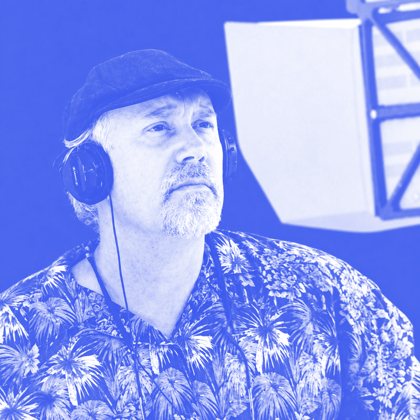
Architects, storytellers and the people who run and speak for cities.







Backed by
Sponsors and partners


What you get
Everything an entry includes
- A real juryEvery finalist is watched in full by every juror. Up to 10 finalists per track.
- Cash prizes$1,500 and $500 in Track 1. $2,000 and $500 in Track 2. Paid by bank transfer.
- Every finalistA printed certificate ready to frame, a digital laurel and AI credits.
- The winnerA trophy and the CUT Night screening in a theater in Mallorca, Spain.
- Your packEmailed the moment you register: site pack for Track 1, entry guide and rights checklist for Track 2.
- Your film stays yoursYou own it. We only ask for the right to screen and share it, credited, to promote the prize.
Pricing
The earlier you enter, the less you pay.
The price is set the day you register and does not go up. Early prices end on 31 December.
| Track 1 · The Artà Brief | Price today | Next price | |
|---|---|---|---|
| Student | $29 | $39 from 1 Jan | Enter |
| Open | $49 | $59 from 1 Jan | Enter |
| Studio pack, 5 films | $99 | $129 from 1 Jan | Enter |
| Track 2 · Practice | Price today | Next price | |
|---|---|---|---|
| Practice, 1 film | $59 | $79 from 1 Jan | Enter |
| Practice pack, 3 films | $149 | $199 from 1 Jan | Enter |
One fee per film. The Student fee needs proof of enrollment. Register by 31 March, submit by 16 April 2027.
By registering you accept the Terms and rules and the Privacy notice.
How it works
Four steps
Pick your track and fee
Track 1 or Track 2, then your fee.
Register and pay
Add your film's working title at checkout. Your pack arrives by email.
Submit by 16 April 2027
Reply to your receipt with your film link, your AI tools and a process note of up to 150 words.
We confirm, finalists 14 May
We confirm every submission. Finalists are announced 14 May 2027 and winners are screened at CUT Night.
Before you enter
Questions people ask
I am not an architect. Can I enter?
Yes. Anyone 18 or over can enter Track 1, alone or in a team. You need one clear idea and one clear shot of how it works. You do not need to draw plans.
Does it have to be AI?
Yes. Every frame must be generated or transformed with AI. Music, voice, script and edit can be yours. List your tools and add a process note of up to 150 words.
Do I need to visit Artà?
No. The moment you register, we email a site pack with plans, maps and photos of the square, the theater and the library area.
Will my idea be built?
No. This is an ideas competition. Nothing is commissioned or built, and the prize is independent of the Ajuntament d'Artà.
Who owns my film?
You do. We only ask for the right to screen and share it, credited, to promote the prize. You must hold the rights to everything in it.
What format and length?
16:9, at least 1080p, 30 seconds to 3 minutes, any language with English subtitles. Send a link that plays without a login.
Can I enter both tracks?
Yes, with a different film for each. A film made for the Artà Brief cannot also be entered in Practice, and the other way round.
How is it judged?
We check every entry against the rules. Up to 10 finalists per track go to one jury, who watch every finalist in full. Track 1 is scored on idea 30%, story 30%, craft with AI 20% and desire 20%. Track 2 is scored on project 30%, story 30%, craft with AI 20% and impact 20%.
Early prices end 31 December
Make the film the right people will watch.
Two tracks. A jury that matters. $4,500 in prizes. Films due 16 April 2027.